Banana Bread
Banana bread was born in the Depression to rescue overripe fruit. Why nearly-black bananas and a gentle mix make all the difference.
Free, no account needed.
Did you cook it? Add your photo
So it lives in your cookbook with your story, not mine.
Add my photo
60 min
Casera / Internacional
8 servings
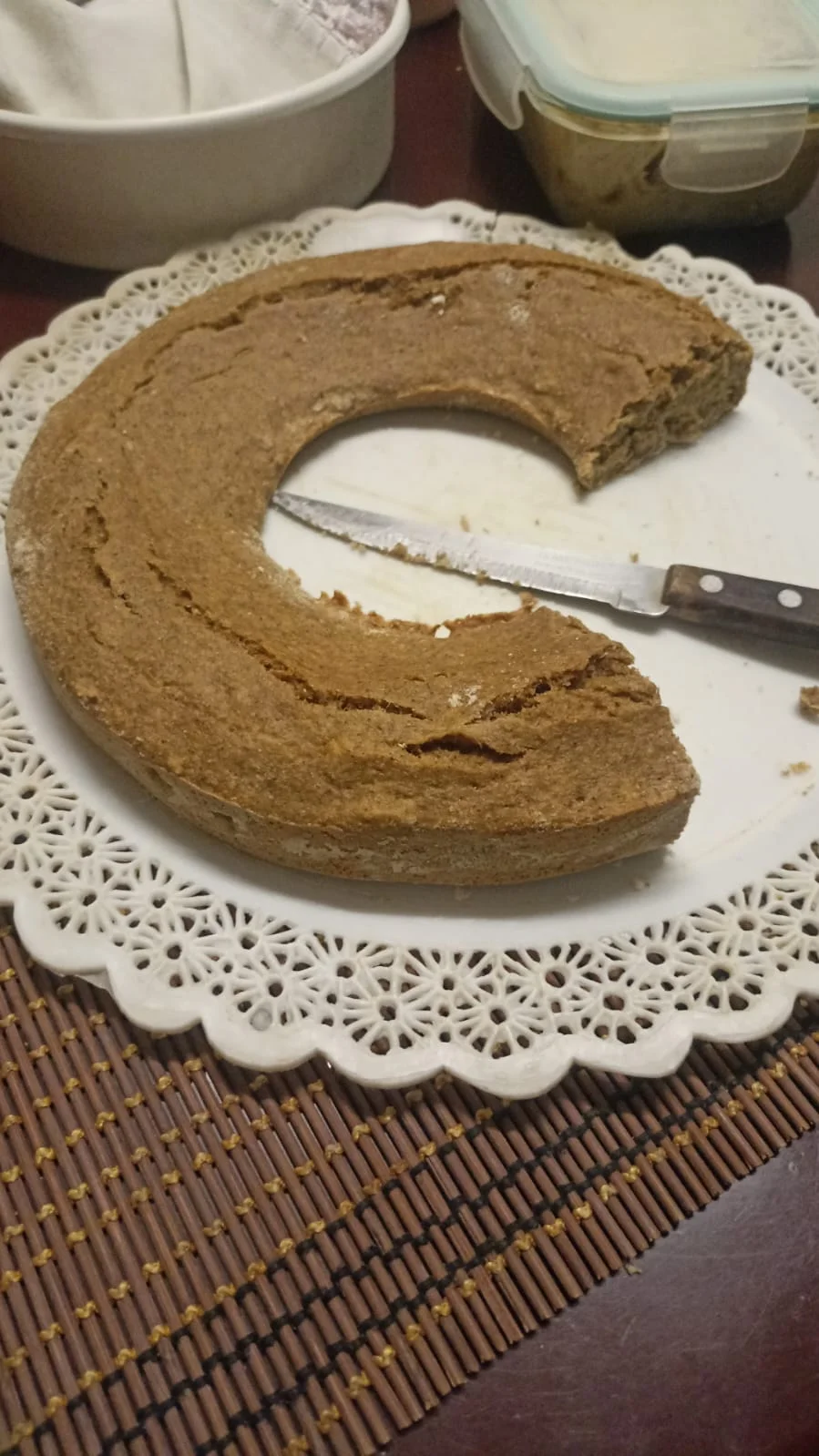
The story behind
Banana bread as we know it is a twentieth-century American invention, born of two very specific circumstances. First, the arrival of commercial baking soda and baking powder in the 1930s, which made quick breads possible without yeast or long resting times. Second, the Great Depression, when wasting food was unthinkable and overripe bananas, rather than the trash, went into a loaf. That waste-not instinct is also the technical key: the riper the bananas, the better, ideally nearly black. As bananas ripen, their starches convert to sugars and the fruit softens, lending natural sweetness, moisture and a depth of flavor a firm banana could never give. Baking soda reacts with the banana's acidity to produce the gas that lifts the batter, no fermentation required. That's also why you shouldn't overmix once the flour goes in: too much stirring develops gluten and toughens the crumb. Fresh from the oven, its warm scent of banana and butter fills the entire kitchen.
Instructions
-
1Mash the bananas until you have a smooth puree.
-
2Mix the melted butter with the sugar and banana puree.
-
3Fold in the sifted dry ingredients (flour and baking soda) without overmixing.
-
4Pour into a previously greased ring mold.
-
5Bake at 175°C (350°F) for 45 minutes or until a knife inserted comes out clean.
Share this recipe
Rate this recipe
Sign in to the app to rate
You might also like
🍊
Save this recipe to your Zest
Add photos when you cook it, write your story, and share it with a Moment Card.
Create my free account